Is Mongolia Safe? Here's the Honest Answer
The question comes up in every Mongolia travel forum, every group chat, every conversation with someone who's never been: Is Mongolia safe?
Here's the direct answer: yes, Mongolia is a safe travel destination. The U.S. State Department rates it at Level 1 — the lowest possible risk level, meaning "exercise normal precautions." That's the same rating as Japan, New Zealand, and most of Western Europe. Australia's Smartraveller advisory echoes this assessment, advising simply to "exercise normal safety precautions."
But this guide isn't just about reassuring you — it's about preparing you. Mongolia is safe in ways that matter most: there is no terrorism, no meaningful kidnapping threat, no civil war, no hostile government. What Mongolia does have is a unique mix of urban petty crime, extreme wilderness conditions, and a road network that requires real respect. Understanding these realities transforms a potentially stressful trip into one of the most rewarding travel experiences on earth.
This guide covers everything: Ulaanbaatar vs. the countryside, solo and female traveler safety, health and medical realities, road dangers, weather risks, cultural customs, and the specific precautions that make the difference. Read it once before you go.
The Big Picture: Mongolia's Safety Profile
Mongolia consistently ranks as one of Asia's safer countries for tourists. The OSAC Country Security Report assesses Ulaanbaatar as a LOW-threat location across all three major categories: crime directed at foreign interests, terrorism, and political violence. The report explicitly notes there have been no terrorist attacks and no indigenous terrorist groups operating in Mongolia.
Freedom House gives Mongolia a Global Freedom Score of 84 out of 100, classifying it as "Free" — a multiparty democracy that has held peaceful elections since 1990. There is no travel advisory flag for terrorism, kidnapping, civil unrest, or wrongful detention.
What the advisories do note: street crime and violent crime are on the rise, particularly in larger urban areas, and crime peaks during major festivals like Naadam in July and Tsagaan Sar (Lunar New Year). The countryside, while peaceful in terms of human crime, presents meaningful natural hazards for the unprepared.
The bottom line: millions of tourists visit Mongolia without incident every year. The risks are real but manageable with the right preparation.
Safety in Ulaanbaatar vs. the Countryside
Ulaanbaatar: Watch Your Pockets, Not Your Back
Ulaanbaatar is safe enough to walk around during the day without anxiety. Violent crime against tourists is uncommon. The real concern in the city is petty theft — primarily pickpocketing and bag-snatching in crowded areas.
Specific hotspots where thieves concentrate:
- Narantuul Market (the "Black Market") — notorious for organized pickpocketing
- The State Department Store and surrounding central shopping areas
- Seoul Street restaurant and bar district
- Sukhbaatar Square and the main tourist areas
- Public buses during rush hour, where crowding creates easy opportunities
- Train stations and the airport
Petty theft operates in groups: one person distracts, another takes. Common distractions include bumping into you, dropping change, or staging arguments nearby. The fix is simple: use a money belt or inside-pocket wallet, keep bags zipped and in front of you, and never keep your only cash in one place.
Night safety is where the risk profile changes. The U.S. Embassy is direct: do not walk alone after dark in Ulaanbaatar, especially in areas outside the central tourist zone. Mugging is the most common serious crime against visitors, and it's almost always at night, in unfamiliar neighborhoods, or after accepting a ride in an unlicensed taxi. Most street harassment and fights occur near bars and nightclubs, and alcohol is typically involved.
Fake police scams have been reported — individuals posing as officers who approach tourists in areas like Sukhbaatar Square. If stopped, ask politely for official identification and never hand over your passport on the street. Legitimate police do not demand cash.
Night safety tips for Ulaanbaatar:
- Use registered, metered taxis or rideshare apps like UBCab — never get into unmarked private cars
- Ask your hotel to call a trusted taxi rather than hailing one on the street
- Stick to lit, central streets if you do walk after dark
- Keep alcohol consumption moderate — this is when the majority of incidents occur
- Travel in groups when visiting bars and nightclubs
The Countryside: Peaceful People, Demanding Terrain
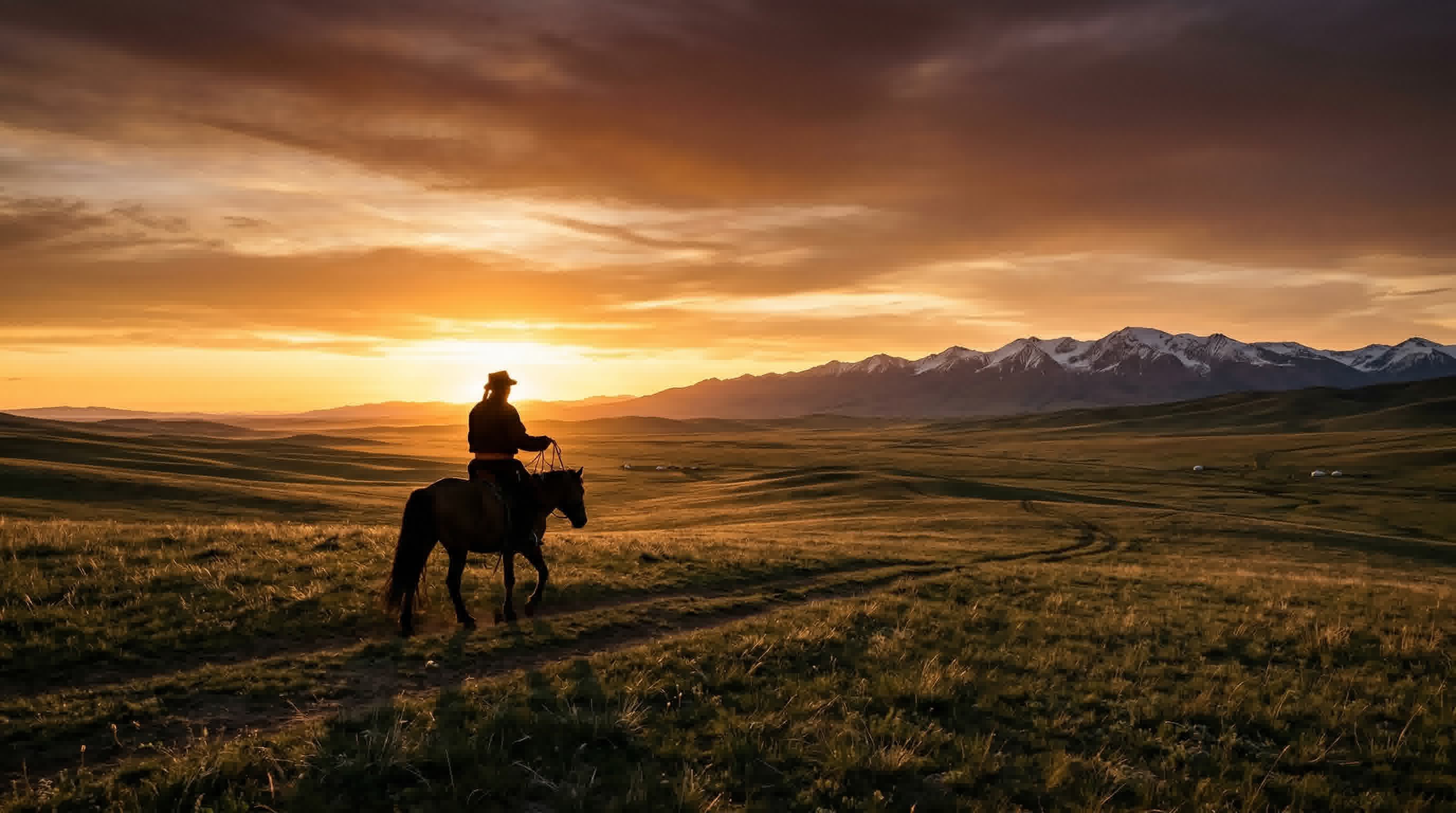
Outside Ulaanbaatar, the human safety picture changes dramatically — for the better. Rural Mongolia is extraordinarily peaceful. Nomadic communities are famously hospitable. Violent crime in the countryside is rare to the point of being almost nonexistent.
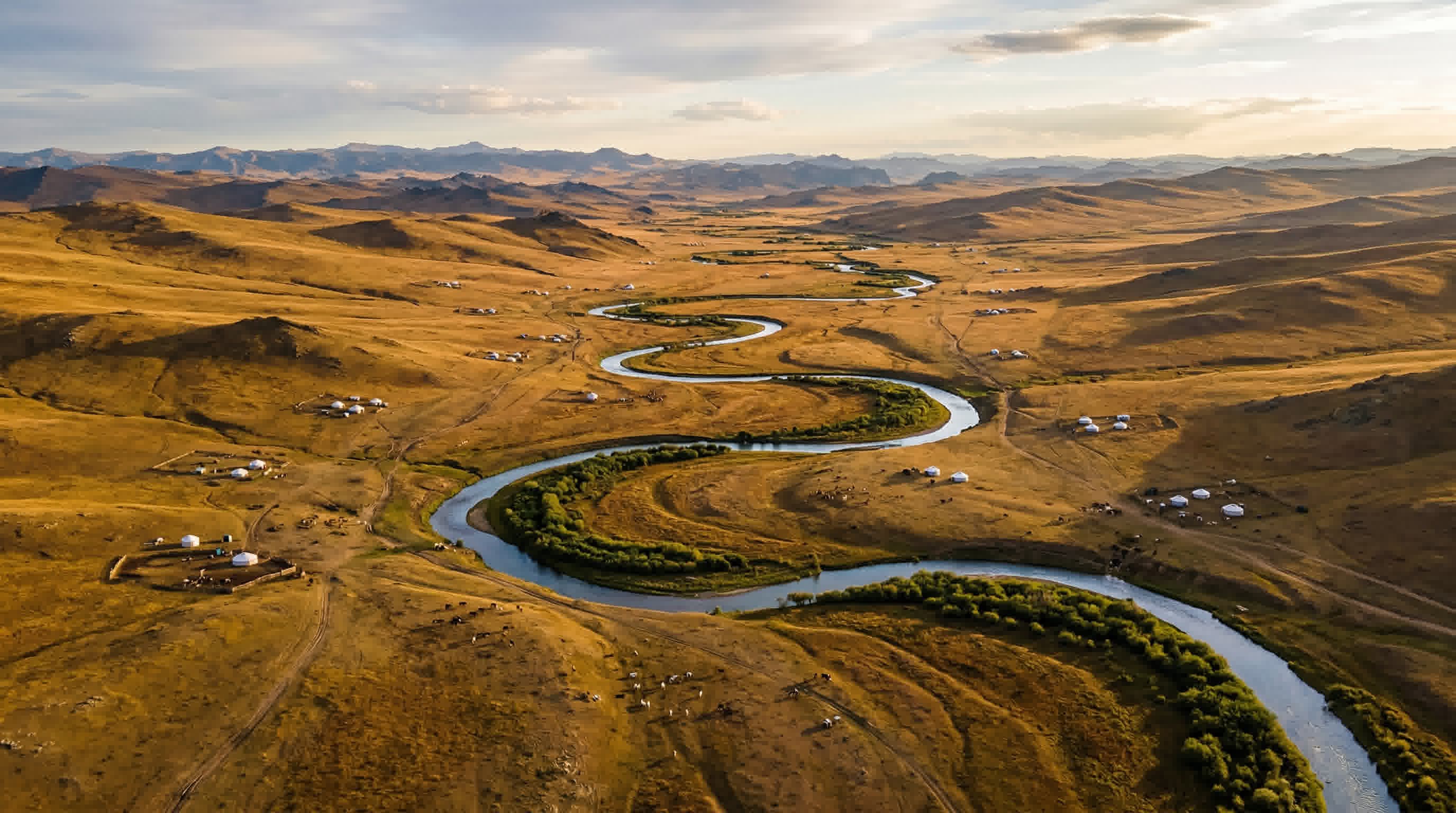
What the countryside does offer is nature-based risk at a level most tourists have never encountered. There are no roads in the conventional sense across much of the steppe — just tracks through grass. There are no road signs, no cell coverage across vast stretches, no gas stations for hundreds of kilometers. Emergency response infrastructure is minimal.
The principle danger in rural Mongolia is getting lost or becoming injured far from help. Distances are enormous. A wrong turn in a vehicle can leave you stranded with no way to call for assistance. Medical evacuation from remote areas may take many hours or require helicopter rescue.
Essential countryside safety principles:
- Always travel with a reputable, experienced guide in remote areas
- Ensure your guide carries a satellite phone and GPS unit
- Never drive outside urban areas after sunset
- Carry extra fuel, food, and water
- Tell someone your exact itinerary and expected return
- Purchase travel insurance that explicitly covers helicopter evacuation
Road Safety: The Most Underestimated Risk
Road conditions are one of the most significant and least discussed safety hazards for Mongolia travelers. This deserves attention.
In Ulaanbaatar: Traffic is chaotic. Potholes are common on main roads. Traffic lights are frequently broken or ignored. Drivers are often aggressive, and pedestrian crossings offer limited protection in practice.
Outside the capital: There are very few paved roads. What exists is largely dirt tracks across the steppe. A 150-kilometer journey can take 5-6 hours due to road conditions. River crossings without bridges, livestock in the road, sudden storms, and washouts are routine. Navigation is challenging — road signs are in Cyrillic only, and even GPS apps have significant gaps in rural coverage.
Key road safety facts:
- It is not legal to drive in Mongolia with a standard U.S. driver's license; you need an International Driving Permit
- Mongolia has a strict zero tolerance alcohol policy for drivers
- Driving outside city centers after sunset is explicitly discouraged by the U.S. Embassy
- Many cars have right-side steering despite driving on the right, creating dangerous overtaking situations
- Traffic accidents are a leading cause of injury in Mongolia
The strongest recommendation: if you're traveling outside Ulaanbaatar, hire a driver rather than self-driving. A local, experienced driver knows the terrain, knows how to read weather, and knows what to do when things go wrong. Self-drive is possible — and rewarding for experienced overland travelers — but should not be attempted on a first visit to Mongolia.
Extreme Weather and Wilderness Hazards
Mongolia has one of the most extreme climates on earth. This is not hyperbole — it is the most critical natural safety factor for visitors.
Temperature Extremes
The country experiences temperatures ranging from +40°C (+104°F) in summer deserts to -40°C (-40°F) and below in winter. The U.S. Embassy notes that winter temperatures can be "dangerously cold" across the country. Even summer days on the steppe can drop sharply at night, and mountain regions can see frost in any month.
Dressing in proper layers is not a stylistic choice in Mongolia — it is a safety requirement. Hypothermia is a genuine risk for anyone underprepared in the countryside, and it can develop faster than most tourists expect.
Dzud: Mongolia's Deadly Winter Phenomenon
A dzud is a brutal combination of a dry summer followed by an extreme winter — snowfall and ice so severe that livestock cannot reach grass. While dzuds are primarily a crisis for herding communities, they also create impassable roads, stranded vehicles, and complete isolation in rural areas. Historically occurring about once every decade, climate change has accelerated their frequency significantly — six major dzuds in the past decade, with the 2023-2024 winter affecting 90% of the country.
For travelers, the practical implication is simple: do not travel in rural Mongolia during deep winter without professional support and proper logistics.
Sandstorms and Dust
The Gobi Desert and southern steppes experience intense dust and sand storms, primarily in May and June. These can reduce visibility to near zero, make roads impassable, and create genuine navigation hazards. Travelers to the Gobi during storm season should be prepared to change plans at short notice.
Getting Lost on the Steppe
The steppe is vast, unmarked, and largely featureless to the untrained eye. Without local knowledge or reliable GPS, it is genuinely easy to become disoriented. There is no emergency roadside assistance network. Distances between settlements can be 50-150 kilometers of rough track.
Wilderness safety checklist:
- Always inform someone of your route before departing
- Carry a satellite communicator (like Garmin inReach) for true remote travel
- Pack for weather two levels worse than forecast
- Never rely solely on Google Maps — use Maps.me with downloaded offline maps
- Carry emergency supplies: water purification, thermal blanket, basic first aid, extra food
Health and Medical Safety
Medical Facilities: Concentrated in Ulaanbaatar
The U.S. State Department is direct: "With few exceptions, Mongolian hospitals do not meet Western standards." Almost all advanced facilities are in Ulaanbaatar. Intermed Hospital and SOS Medica Mongolia Clinic are the primary options for foreign travelers in the capital — both have English-speaking staff. SOS Medica coordinates most medical evacuations from Mongolia and should be your first call in a serious emergency. Outside Ulaanbaatar, aimag (provincial) hospitals offer basic care. In remote areas, medical services may not be available within a critical timeframe.
This is precisely why travel insurance with medical evacuation coverage is non-negotiable in Mongolia. Most care providers require cash payment upfront.
Food and Water Safety
Tap water in Mongolia is not safe to drink. Most Mongolians themselves use bottled water. Carry a water filter or purification tablets for areas where bottled water may be unavailable.
Food in Ulaanbaatar's established restaurants is generally safe. In the countryside, traditional Mongolian food — primarily dairy products and boiled meat — is safe if properly prepared, but the shift from a typical Western diet frequently causes stomach upset. Travelers' diarrhea is common enough that packing oral rehydration salts and anti-diarrheal medication is strongly recommended.
Specific food safety notes:
- Avoid raw or undercooked meat
- Drink only bottled or purified water, including for brushing teeth in remote areas
- In rural Mongolia, marmots can carry bubonic plague — do not consume marmot meat
- Brucellosis (from unpasteurized dairy) and other zoonotic diseases are present; be cautious with raw dairy products from unknown sources
Recommended Vaccinations
Consult a travel medicine clinic 6-8 weeks before departure. Standard recommendations for Mongolia include:
- Hepatitis A (food and water transmission)
- Typhoid (food and water)
- Rabies (Mongolia is considered high-risk; vaccine recommended especially for longer trips or those with animal contact)
- Tick-borne Encephalitis (particularly for northern regions)
- Ensure routine vaccinations (tetanus, measles) are current
The CDC also notes risks for leptospirosis, hantavirus, and tuberculosis in certain settings.
Air Pollution in Ulaanbaatar
This deserves special mention: Ulaanbaatar's winter air pollution is among the worst in the world. UNICEF has documented winter PM2.5 levels 27 times higher than WHO safe limits. The cause is extensive use of coal-burning stoves in the city's ger districts during freezing temperatures.
If you have asthma, respiratory conditions, or are pregnant, consult your doctor before a winter visit to Ulaanbaatar. The U.S. Embassy recommends carrying an N95 mask during winter months. Air quality improves dramatically in summer.
Solo Traveler Safety
Mongolia is a genuinely viable destination for solo travelers. The country's population is sparse, its nomadic culture is deeply hospitable, and violent crime against tourists — while not nonexistent — is uncommon. Many solo travelers of all backgrounds complete Mongolia trips without any serious incident.
That said, solo travel does change the risk calculus in a few specific ways:
- You are a more visible target for petty crime in the city when alone
- You have no backup if you're driving or hiking and something goes wrong in a remote area
- Night-time risk in UB is higher when traveling alone — stick to taxis after dark
Practical solo safety tips:
- Stay in guesthouses or hostels with good reviews — they provide natural community, local knowledge, and staff who will notice if you don't return
- For rural Mongolia, joining a small group tour or hiring a guide is the practical solution to being alone in the wilderness
- Share your daily itinerary with someone at home who can raise an alarm if you go silent
- Keep a local SIM card active for GPS and emergency calls within cell coverage areas
- Carry a portable battery — there are no charging points in the steppe
Solo Female Travel Safety
Women have been traveling solo in Mongolia for years, and many describe it as one of the more comfortable solo female travel destinations in Asia. Mongolia's nomadic culture has historically valued gender equality — women manage households, finances, and livestock, and today more than 60% of Mongolian university students are women.
The honest picture: Mongolia is generally safe for solo women travelers, but specific precautions matter more than in some destinations.
The U.S. State Department advisory notes that street harassment is particularly prevalent at night and in areas outside the capital, with unaccompanied women among the most common targets. Most incidents occur near bars and nightclubs, and alcohol is typically involved. The Embassy has also received — infrequent but real — reports of sexual assault against female travelers, sometimes involving tour guides or ger camp employees. This is not a reason to avoid Mongolia, but it is a reason to choose tour companies carefully.
Safety guidance for women travelers:
- Choose reputable, established tour operators with verifiable safety records — read reviews and check for references
- Avoid walking alone after dark in Ulaanbaatar, and use registered taxis
- At ger camps and homestays, be aware that some accommodations cannot be locked — this isn't unique to Mongolia but is worth knowing in advance
- Be thoughtful about the signals you send in drinking situations — accepting drinks from strangers at night in Ulaanbaatar has preceded incidents
- Trust your instincts with guides and staff; professional operators screen their staff
- The countryside is generally quite safe in terms of harassment from strangers — rural Mongolians are overwhelmingly welcoming
- Traveling with at least one other person significantly reduces risk in the city
None of this means women should skip Mongolia — quite the opposite. With sensible precautions, it's a destination that rewards solo female travelers enormously.
Scams to Know About
Mongolia doesn't have the elaborate scam infrastructure of some more heavily-touristed Asian destinations, but a few patterns appear consistently:
Fake police officers: Individuals posing as police officers have approached tourists, particularly around Sukhbaatar Square, and attempted to "fine" them or "inspect" their documents. Real police do not demand cash on the street. If you're uncertain, ask to go to the nearest police station.
Unlicensed taxis: Unofficial taxis (private cars operating informally) are a significant vector for overcharging and, in some cases, robbery. Always use metered taxis, app-based rides like UBCab, or car bookings through your hotel.
Fake border officials: At land border crossings into China and Russia, scammers in official-looking uniforms have demanded payment for fictitious "required travel insurance." This is a scam. No such requirement exists.
Card skimming: Some travelers have reported credit card skimming devices at ATMs and in restaurants. Use ATMs inside banks or hotels where possible, and monitor your card statements.
Smuggling dupes: Be extremely cautious if anyone at a border asks you to carry luggage or items for them. Mongolia's penalties for smuggling can include up to eight years imprisonment.
Political Stability and Civil Unrest
Mongolia is a functioning democracy, rated 84/100 by Freedom House and classified as "Free" since 1990. There are no terrorist groups operating in the country and no indicator for wrongful detention of foreign nationals.
Mongolian domestic politics are volatile — 2025 saw significant internal party conflict and leadership changes — but these developments have not created safety risks for tourists. Protests occur periodically; the practical guidance is to avoid any demonstration activity, as even peaceful protests can escalate.
One genuine concern for visitors: ultra-nationalist groups have, at times, targeted interracial couples and foreigners perceived to be in romantic relationships with Mongolian women. These incidents occur mainly around bars and nightclubs. Keeping a low profile in nightlife settings reduces any exposure.
Natural Disasters
Mongolia is not at high risk for earthquakes, tsunamis, or volcanoes. The primary hazards for travelers are weather-driven: dzud in winter, flash floods in mountain valleys during summer storms, dust and sandstorms in the Gobi (May-June), and wildfires on dry steppe. All are weather-dependent and largely avoidable with proper planning and condition monitoring.
Cultural Considerations That Affect Safety
Respecting Mongolian customs isn't just about politeness — in some contexts, cultural missteps can create friction or misunderstanding that becomes a safety issue. Understanding the culture makes you a more confident traveler.
Ger Etiquette
If you visit or stay in a nomadic family's ger (the traditional round dwelling), a few key rules apply:
- Say "Nokhoigo Khorioroi" ("Hold the dog") when approaching — it signals your arrival and is a sign of respect
- Never step on the threshold when entering — this is a serious cultural taboo
- Enter moving to the left side of the ger; the right is for the host family
- Accept any food or drink offered — even a symbolic sip or bite. Refusing is considered a significant breach of etiquette
- Do not put rubbish in the fire — fire is sacred in Mongolian tradition
- Never touch another person's hat, and remove your own hat indoors
General Social Customs
- Use your right hand (or both hands) to receive and give objects — the left hand alone is considered disrespectful
- Do not point at people with a single finger — use an open palm
- Avoid stepping over anyone or their belongings
- Apologize promptly if you accidentally touch someone with your foot
- Do not take photos at religious sites without explicit permission, and never during prayers
Alcohol Culture
Alcohol plays a significant social role in Mongolian culture. Strangers may offer drinks as a welcoming gesture, and most such offers are genuinely friendly. However, accepting drinks from strangers in the street at night is a different matter — this is specifically noted by the U.S. Embassy as a pattern that sometimes precedes robbery. Use judgment based on context.
Emergency Contacts and Resources
Keep these numbers accessible — save them to your phone and write them on a card in your bag.
Mongolia Emergency Services:
- Police: 102
- Medical Emergency/Ambulance: 103
- Fire: 101
U.S. Embassy in Ulaanbaatar:
- Address: Denver Street #3, 11th Micro-District, Ulaanbaatar
- Phone: +976-7007-6001 (also the emergency line)
- Email: UlaanbaatarACS@state.gov
Private Medical Clinics (English-Speaking):
- SOS Medica Mongolia: Primary resource for expatriates and tourists needing care or medical evacuation coordination
- Intermed Hospital (United Family Intermed Hospital): Modern private hospital with internationally trained staff, preferred by foreign nationals
Practical registrations:
- STEP Program (U.S. citizens): Register at step.state.gov — the U.S. Embassy can locate and contact you in an emergency
- Immigration registration: Foreign nationals must register with the Mongolian Immigration Agency within 48 hours of arrival (your hotel or tour company typically handles this)
Travel Insurance: Non-Negotiable in Mongolia
Travel insurance for Mongolia is not optional. Helicopter rescue from a remote steppe location can cost $10,000-$50,000+. Most Mongolian medical facilities require cash upfront. Road accidents are common, and severe weather can strand travelers far from help.
What your policy must cover:
- Medical evacuation of at least $100,000-$250,000
- Emergency medical expenses
- Adventure activity coverage if you plan to ride horses, hike, or do other activities
- Trip cancellation/interruption for weather-related disruptions
Providers like World Nomads and Allianz are popular choices for Mongolia trips. Read the exclusions carefully before purchasing.
Conclusion
Mongolia is safe — meaningfully, genuinely safe in the ways that matter most. There are no terror threats, no war zones, no areas actively off-limits to foreign travelers. The overwhelming majority of visitors complete their trip without any serious incident and return home having experienced something extraordinary.
The risks that do exist in Mongolia are specific and manageable. Petty theft in Ulaanbaatar responds to basic awareness. Night-time risk drops sharply when you take taxis. Wilderness hazards become manageable with a good guide and proper preparation. Medical risks are addressed by vaccinations, insurance, and knowing who to call.
What Mongolia asks of travelers is not caution so much as preparation. The country doesn't look like anywhere else, operate like anywhere else, or challenge you in familiar ways. That's exactly what makes it worth going.
Come prepared. Respect the landscape and the culture. Travel with reputable operators in remote areas. And then: go enjoy one of the most remarkable places on earth with the confidence of someone who actually knows what they're dealing with.
For the latest travel advisories, check the U.S. State Department Mongolia page and the CDC Mongolia traveler health page before your trip.