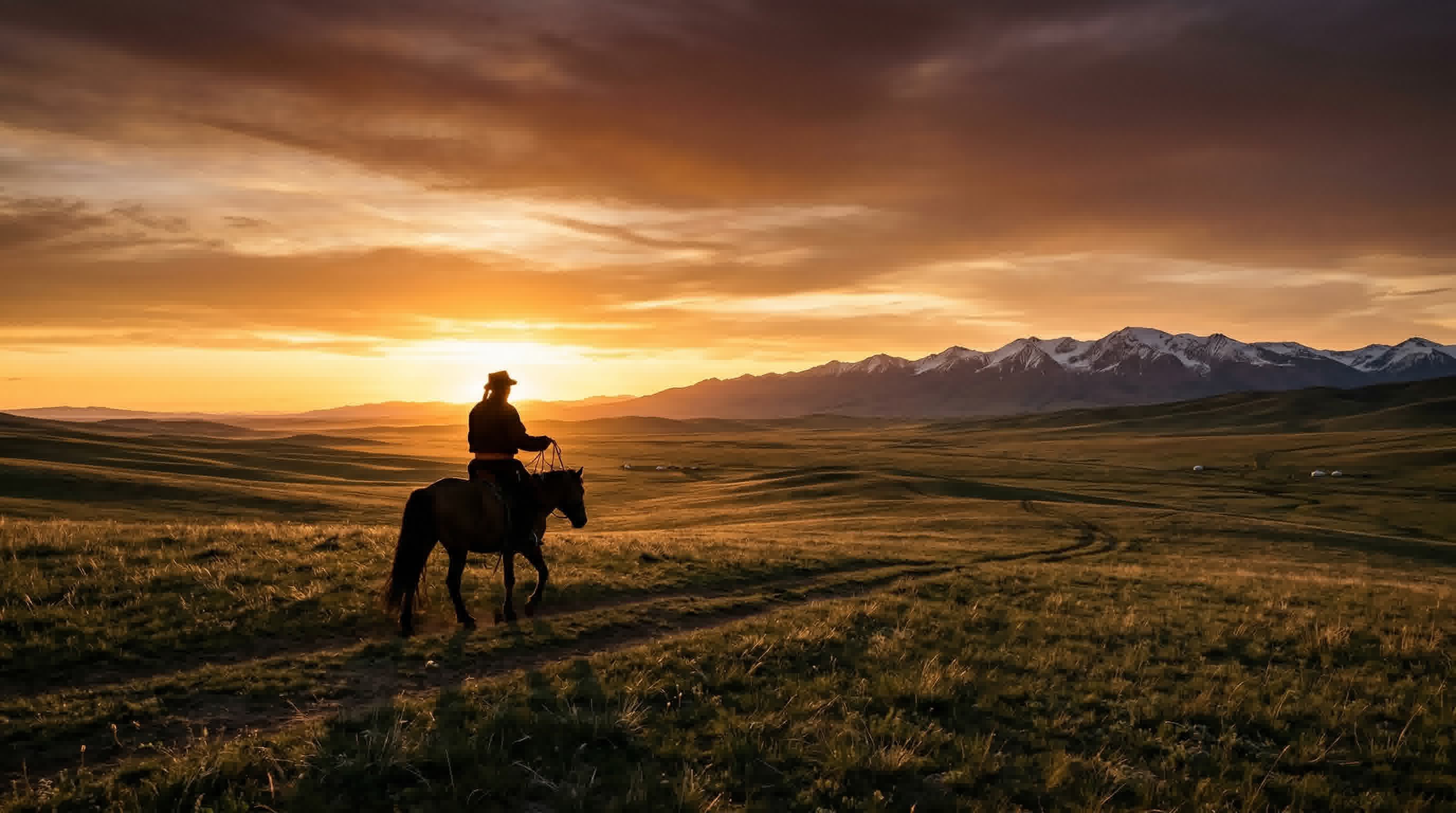
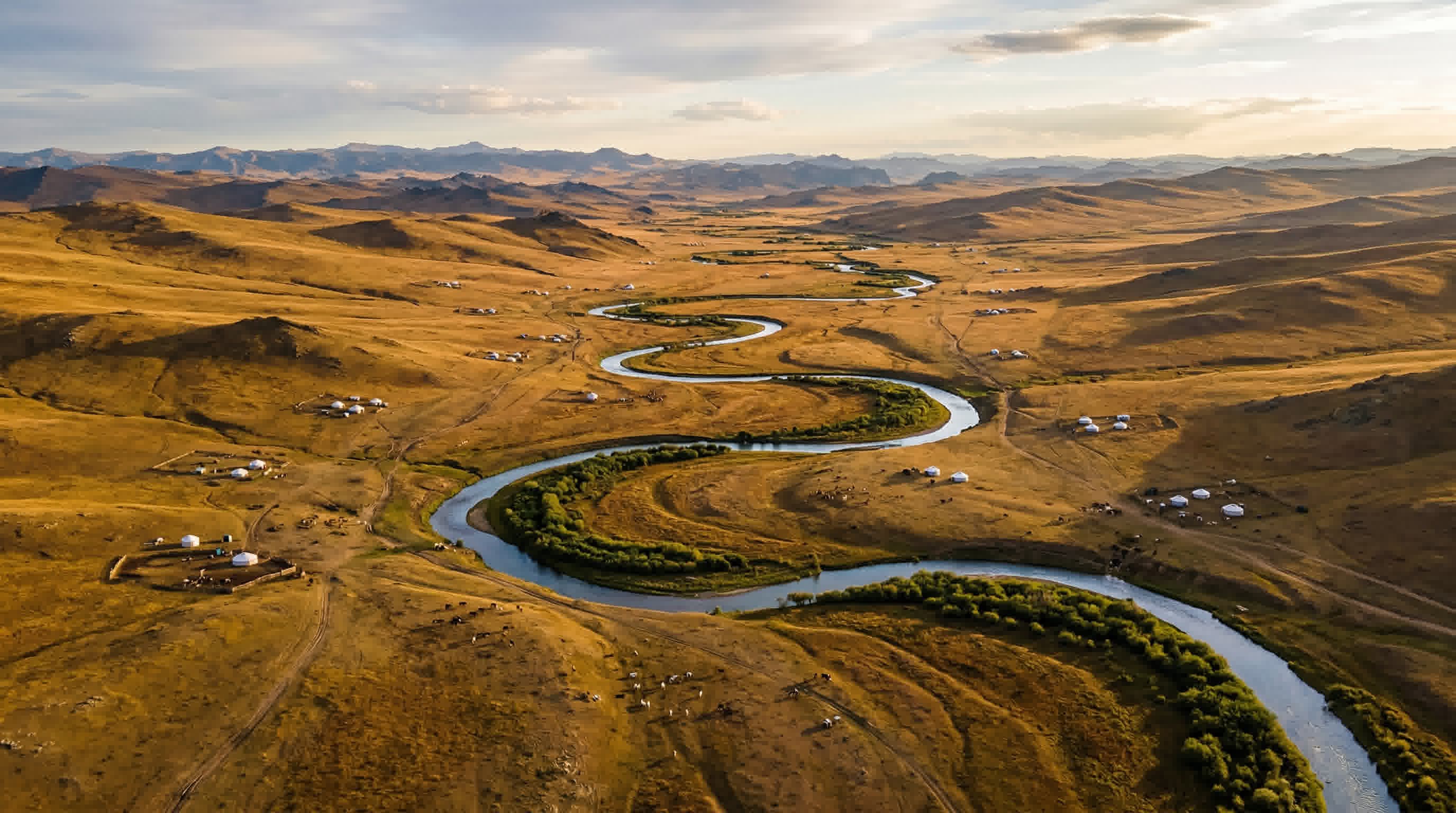
Planning a trip to Mongolia and staring at an empty suitcase wondering where on earth to begin? You're not alone. Mongolia is one of those destinations that genuinely humbles travelers who underestimate it — and generously rewards those who show up prepared. With a climate that can swing from -40°C in winter to 45°C in the Gobi summer, vast roadless steppes, off-grid ger camps, and activities ranging from camel trekking to eagle hunting, what you pack can genuinely make or break your experience.
This guide covers everything you need to know — clothing layers, footwear, gear for specific activities, electronics, sun protection, first aid, documents, and a frank list of what not to drag halfway across the world. Whether you're heading to Mongolia in July for Naadam or arriving in September for the golden shoulder season, consider this your definitive packing reference.
Understanding Mongolia's Climate: Why Packing Is a Challenge
Mongolia sits at an average elevation of 1,300 meters above sea level and is landlocked deep in the heart of Asia. The result is one of the world's most extreme continental climates — bright, sunny, and wildly unpredictable across all four seasons.
Season-by-Season Breakdown
Summer (June–August)
- Daytime temperatures: +15°C to +33°C across the steppe; up to +40–45°C in the Gobi Desert
- Nighttime temperatures: +8°C to +18°C — noticeably cold even in peak summer
- Conditions: Mostly sunny, occasional heavy showers, some mud. Mongolia gets 257 sunny days per year on average
- UV Index: Peaks at 9–10 (Very High) from May through August. At altitude, you can burn in 15 minutes at midday
Shoulder Season: Spring (May) and Autumn (September)
- Daytime temperatures: +8°C to +28°C
- Nighttime temperatures: Can drop to near or below 0°C even in September
- Conditions: Wind is a major factor — spring brings dust storms and gusts exceeding 140 km/h in the Gobi. Autumn brings stunning golden landscapes and stable-but-cool weather
- Snow is possible in May and September, particularly in the north and at altitude
Winter (November–February) — For the Intrepid Only
- Daytime temperatures: -10°C to -26°C in Ulaanbaatar; -30°C to -40°C in western mountain regions
- Conditions: Dry, clear, very little snow except in the north. Bitterly cold wind chill
- Ulaanbaatar holds the title of the world's coldest capital city
The Core Packing Challenge: Mongolia's weather can shift dramatically in a single day. A summer afternoon in the Altai mountains might start at 22°C and end at 0°C with rain turning to sleet. Always pack more layers than you think you need.
The Layering System: Your Most Important Packing Concept
Forget a single heavy coat. In Mongolia, the layering system is everything. The goal is to add and remove layers fluidly as conditions change throughout the day.
The Four-Layer Framework
Layer 1 — Base Layer (next to skin)
- Material: Merino wool is the gold standard. It wicks moisture, regulates temperature in both heat and cold, resists odor naturally (so you can wear it 2–3 days without washing), and stays warm even when damp
- Alternative: Polyester or synthetic thermal fabrics also work well but don't manage odor as effectively
- Avoid cotton entirely — cotton absorbs moisture and stays wet, which can lead to hypothermia when temperatures drop after rain or at night
- Bring: 2 merino wool base layer tops (long-sleeve and short-sleeve), 1–2 merino base layer bottoms/thermal leggings
Layer 2 — Mid Layer (insulation)
- Purpose: Traps warmth, breathable enough for active use
- Options: Fleece pullover or fleece jacket (lightweight to midweight), merino wool sweater
- Bring: 1–2 fleece or wool mid-layers
Layer 3 — Insulating Layer
- Purpose: Maximum warmth for cold evenings, nights, and autumn/spring travel
- Options: Compressible down or synthetic puffer jacket — pack this, full stop. A water-resistant puffer that stuffs into its own pocket is one of the single most useful items for Mongolia. It doubles as a pillow on long drives
- Look for: Water-resistant shell, zippered pockets, hood preferred
Layer 4 — Outer Shell (weather protection)
- Purpose: Wind and rain defense
- Must-have: Waterproof, windproof, breathable jacket with a hood. This is non-negotiable regardless of season
- Also bring: A pair of lightweight waterproof/windproof over-trousers for trekking days and horse rides
Clothing Checklist
Tops
- 2–3 moisture-wicking t-shirts (polyester or merino wool; short and long-sleeve)
- 1–2 long-sleeved sun shirts with UPF 30–50+ rating (essential for Gobi Desert and open steppe riding)
- 1–2 fleece or merino wool mid-layers
- 1 compressible puffer jacket (down or synthetic fill, water-resistant)
- 1 waterproof/windproof outer shell jacket with hood
Bottoms
- 1–2 pairs of hiking trousers — lightweight, quick-dry, wind-resistant. Look for fabrics like nylon-spandex blends or softshell material. Avoid jeans for trekking or riding
- 1 pair lightweight shorts for Gobi days and warm afternoons
- 1 pair waterproof/windproof over-trousers (non-insulated, packs small)
- 1 set of thermal base layer bottoms for cold nights, autumn/spring travel, and sleeping
Base Layers & Underwear
- 3–4 pairs of underwear — merino wool or synthetic quick-dry; merino is especially good for multi-day riding trips
- 3 pairs of hiking socks — wool in varied weights (light for warm days, midweight for cold mornings and nights). Brands like Darn Tough or Smartwool hold up well
- 1–2 pairs of liner socks if prone to blisters
- 2 supportive, quick-dry sports bras (women) — essential comfort on bumpy drives and horse treks
Head, Neck & Hands
- 1 wide-brimmed hat or baseball cap for sun protection — a brim is critical on the open steppe and in the Gobi
- 1 warm beanie or winter hat covering the ears — essential even in summer for cool mornings and camp evenings
- 1 buff/neck gaiter — one of the most versatile items on this list: sun protection, dust filter on drives, extra warmth at night
- 1 bandana — dust protection and general utility
- 1 pair of medium-weight gloves — wool or fleece; even June and July mornings can be cold
- For autumn/spring: add 1 pair of leather or sturdy riding gloves
For Horse Trekking Specifically
- Riding pants or stretchy leggings — jeans technically work but are extremely uncomfortable if wet and have bulky inner seams that chafe. Look for English riding breeches or soft-shell trekking trousers without internal seams
- Leather gloves or light work gloves for holding reins
- Half-chaps — protect shins from stirrup leathers; some operators provide these but bringing your own is ideal
- Riding helmet — reputable operators provide helmets, but bring your own if you prefer a specific fit and safety standard
- Clothes made from quiet, non-swishing synthetic materials — fabrics that rustle loudly can spook horses
Footwear
Hiking Boots
Your single most important footwear investment. Look for boots that are:
- Waterproof — Gore-Tex lining preferred; even summer involves river crossings and morning dew
- Ankle support — critical on uneven steppe terrain, rocky gorges, and sand dunes
- Not too heavy — you're not doing technical mountaineering; lightweight hiking boots strike the right balance
- Broken in before you leave — this is mandatory. Never arrive in Mongolia in new boots
- Well-regarded brands: LOWA, Salomon, Merrell, Asolo, Danner
Camp/Casual Shoes
- Lightweight slip-on sandals or Crocs for ger camp use, shared shower areas, and van travel. Essential — you don't want to be fumbling with laced boots at 2am for a bathroom run
- Flip-flops work, but something with grip is better for dewy grass in the morning
For Horse or Camel Riding
- Boots for riding should have a flat, smooth sole with a small heel to prevent the foot from sliding through the stirrup. Blundstones are popular for this. Hiking boots with significant tread can catch in stirrups
- Avoid bulky boot soles that collect horse manure — easy to clean is a feature, not a luxury
Gear & Equipment
Water & Hydration
- 1-liter wide-mouth water bottle (Nalgene is popular; pairs with filter attachments)
- Water filter or purifier — this is critical for rural Mongolia. The Grayl Geopress filters bacteria, viruses, microplastics, and sediment. Lifestraw or Platypus Quickdraw are lighter alternatives. Water purification tablets work but taste unpleasant and are less reliable
- 3-liter hydration bladder for trekking days (optional but highly recommended)
Sleeping
- Sleeping bag — even if ger camps provide bedding, a sleeping bag significantly improves comfort and warmth on cold nights when the fire dies. Recommended ratings:
- Summer: 3-season bag rated to 0°C / 32°F minimum; down fill packs smallest
- Shoulder season (May/September): -5°C to -10°C rating
- Winter travel: -15°C to -20°C minimum
- Sleeping bag liner — silk or fleece; adds 5–10°C of warmth and keeps your bag cleaner
- Inflatable sleeping pad or thermarest — ger camp beds can be hard and cold from below
Light & Headlamp
- Headlamp — non-negotiable. Ger camps frequently lack indoor lighting, and outdoor bathroom facilities require navigating in the dark. Bring spare batteries or a rechargeable model
- Look for a lightweight, low-profile option with a red-light mode for camp use at night
Bags & Organization
- Large soft duffel bag or flexible backpack — a soft duffel is strongly preferred over a hard suitcase for Mongolia travel. Reasons: easier to strap on pack horses, squeezes into vehicle luggage compartments on rough roads, handles impacts better. The North Face Base Camp Duffel is a popular choice
- 30-liter daypack — for daily use; water-bladder compatible with a built-in rain cover is ideal
- Dry bags in several sizes — protect electronics, documents, and clothing from rain, dust, and river splashes. Absolutely essential for horse treks
- Packing cubes — keep clothing organized, especially when digging through a duffel in a dark ger
- Ziploc bags — multiple sizes; use them to waterproof documents, phones, and cash; separate dirty laundry; keep dust off small items
- Luggage lock — for your main bag when left at a hotel base in Ulaanbaatar
Other Field Essentials
- Trekking poles — collapsible/adjustable; very helpful on rough terrain and for river crossings
- Compact binoculars — Mongolia's wildlife is magnificent and often at distance: eagles, argali sheep, wild horses, gazelles
- Multi-tool (Leatherman or Gerber) — endlessly useful; nomads also love receiving these as gifts
- Quick-dry microfiber travel towel — ger camps may provide towels, but having your own is better for off-grid trips
- Travel mug or insulated cup — morning tea or coffee at camp in cold weather is non-negotiable quality of life
Sun Protection
Mongolia's high elevation, low air pollution, and 257 annual sunny days create intense UV exposure. The UV Index in Ulaanbaatar peaks at 9–10 (Very High) from May through August — meaning you can burn in 15 minutes at midday without protection. In open steppe terrain, there is no shade.
Sun Protection Checklist
- Sunscreen SPF 30 or higher — ideally SPF 50. Reapply every 2 hours when outdoors. Bring more than you think you'll need; it's expensive and hard to find in rural areas
- Lip balm with SPF 30+ — lips burn and crack quickly in Mongolia's dry air and intense sun
- Wide-brimmed hat — the single best passive sun protection for your face, ears, and neck
- UPF-rated long-sleeve sun shirt — for horseback riding and full-day outdoor activities. Far more effective and comfortable than constantly reapplying sunscreen to arms
- High-quality UV-blocking sunglasses — look for UV400 lenses that block UVA, UVB, and UVC. For riding, sunglasses with rubber ear grips and shock-absorbing nose pads are worth the investment; glasses that fly off at a gallop are useless
- Buff or neck gaiter for neck and lower-face protection
- Moisturizer — Mongolia's dry air strips skin rapidly; a good daily moisturizer prevents cracking and discomfort
Electronics & Charging
Power Basics
- Mongolia uses 220V / 50Hz (same as Europe), which is different from North American (120V/60Hz) standards
- Plug type: Type C (two round pins — standard European plugs). US, UK, Australian, and Chinese plug users all need an adapter
- Universal travel adapter — bring one or two; confirm it's rated for 220V before plugging in any devices
- Voltage converter — most modern electronics (laptops, phone chargers, cameras) are dual-voltage (100–240V) and only need an adapter, not a converter. Check your charger's label
Power in Rural Mongolia
- Electricity is extremely limited or absent once you leave Ulaanbaatar. Ger camps may have a generator or solar panel for a few hours each evening; some have none at all
- Portable power bank — high-capacity (20,000 mAh+), USB-C compatible. One of the most essential items for rural Mongolia. Charge it fully at every opportunity in the city
- Solar charger — for extended backcountry trips, a foldable solar charger allows you to top up batteries during daylight hours. BioLite and Anker make reliable options
- Car charger adapter — vehicles often have a 12V cigarette lighter socket, which is another charging option during drives. Bring an adapter if needed
- SIM card: Mobicom and Unitel are Mongolia's main carriers. A local prepaid SIM card is cheap and readily available in Ulaanbaatar. Data coverage exists in towns but drops out in remote countryside
Camera & Photography Gear
Mongolia's landscapes are extraordinary — vast steppes, the Gobi's singing dunes, glacial lakes, dramatic skies. Photography is likely a priority.
- Camera body: A mirrorless or DSLR camera produces stunning results. That said, modern smartphones are capable and far less conspicuous. Avoid fragile, non-weather-sealed gear
- Extra batteries — cold temperatures drain batteries dramatically faster. Bring at least two spare batteries for any camera. Keep batteries warm in an inner jacket pocket in cold weather
- Extra memory cards — SD cards are not readily available outside Ulaanbaatar
- Lens recommendations:
- 24–70mm or 24–105mm for landscapes and everyday scenes
- 70–200mm or longer for wildlife (Przewalski's horses, eagles, raptors)
- Wide-angle for the immense steppe and night sky photography (Mongolia has exceptional dark skies)
- Dust and sand protection — the Gobi Desert and spring steppe winds are hard on camera gear. Use a lens UV filter to protect the front element. Carry a lens blower for removing dust before wiping. Use camera bags with weather sealing and dry bags as an outer layer
- Polarizing filter — dramatically improves skies and reduces glare from sand and water
- Small travel tripod or Gorilla Pod — for low-light landscapes, Milky Way shots, and self-portraits
- Waterproof camera case or dry bag — essential for river crossings and rain
Toiletries & Personal Care
Key context: Ulaanbaatar has well-stocked supermarkets and pharmacies where you can buy most toiletry items. Once you leave the capital, availability drops sharply. In rural areas and ger camps, you may not see a shop for days.
Essential Toiletries
- Toothbrush and toothpaste
- Biodegradable soap and shampoo — important for outdoor showering near rivers or in areas without plumbing. Standard soap pollutes waterways
- Deodorant — not always available in rural areas; bring a full supply
- Moisturizing lotion — Mongolia's low humidity and constant wind dry skin rapidly, especially hands and lips
- Wet wipes / biodegradable face wipes — arguably the single most-used item on any Mongolia trip. Essential for days without shower access, dusty drives, and quick cleanups. Bring more than you think you need. Do not bury or flush wipes; pack them out in a sealed bag
- Hand sanitizer — particularly important at outdoor toilet facilities in remote areas
- Toilet paper — pack a few small rolls. Many restaurants in Ulaanbaatar and virtually all rural facilities do not provide it. Keep in a Ziploc bag
- Sunscreen and lip balm (see Sun Protection section above)
- Feminine hygiene products — a wide range is available in Ulaanbaatar but nearly impossible to find in rural Mongolia. Bring a full supply. Consider a menstrual cup or period underwear as a lower-waste alternative for multi-day outdoor trips
- Contact lens solution and spare glasses — impossible to source outside the capital
- Quick-dry travel towel — large enough to wrap around your body
First Aid Kit & Medications
Important note: Medical facilities outside Ulaanbaatar are very limited. Mongolia's rural areas have minimal pharmacy access; products available are mainly from China and Russia and may not include familiar brands. Bring everything you might need; refills are not guaranteed.
First Aid Essentials
- Adhesive bandages in multiple sizes
- Gauze and medical tape
- Antiseptic wound cleanser (or antiseptic wipes)
- Topical antibiotic ointment (Neosporin or equivalent)
- Moleskin or gel blister pads (Compeed) — horse riding and hiking create blisters fast
- Elastic compression bandage for sprains
- Tweezers
- Digital thermometer
- Disposable gloves
- Scissors or multi-tool with blade
- 1% hydrocortisone cream for bites and rashes
Medications to Bring
- Pain relievers: Ibuprofen (anti-inflammatory, good for sore muscles) and paracetamol/acetaminophen
- Anti-diarrheal (Imodium/Loperamide): Stomach upsets from new foods, including fermented dairy products, are common for first-time visitors
- Oral rehydration salts — critical for recovering from stomach illness or dehydration on hot days
- Antibiotics for traveler's diarrhea: Ciprofloxacin or Azithromycin; consult your doctor before travel. Mongolia's remote nature means a prescription here can prevent a medical evacuation there
- Antiemetic (Ondansetron): For nausea and vomiting
- Antihistamine (Benadryl/Cetirizine): Allergies to grassland pollen are common; also useful for insect bites
- Motion sickness medication (Dramamine/Scopolamine patches): Mongolia's roads are famously rough. Long off-road drives on corrugated dirt tracks and grassland are standard; motion sickness is common, especially for passengers in the back of vans
- Insect repellent with DEET or Picaridin: Mosquitoes are significant in summer, particularly around lakes (Khuvsgul) and river valleys. Pack enough for the full trip
- Charcoal tablets: For mild digestive upsets from food
- All prescription medications: Bring enough for your entire trip plus a buffer, stored in original labeled containers. Carry a doctor's letter for controlled substances. Split prescriptions between your main bag and daypack in case of lost luggage
Health Considerations
- Altitude: Most of Mongolia sits between 1,000–2,000m elevation, with the Altai Mountains reaching 4,000m+. Mild altitude symptoms (headache, fatigue) are possible, especially if arriving directly from sea level. Stay hydrated, avoid alcohol for the first 24 hours, and ascend gradually if visiting high alpine areas
- Vaccinations: Consult your doctor or travel clinic. The CDC recommends being up to date on routine vaccines. Hepatitis A and Typhoid are commonly recommended for Mongolia travel. Rabies is worth discussing if you'll be in rural areas around dogs (feral dogs are present in many rural settlements)
- Travel insurance with medical evacuation coverage is strongly recommended — and effectively essential for any adventure activity
Documents & Important Paperwork
What to Carry
- Passport — valid for at least 6 months beyond your departure date from Mongolia. Keep it in a waterproof dry bag or document pouch
- Visa or visa-free status confirmation — US, Canadian, EU, UK, Australian, and many other nationals can enter visa-free for 30–90 days (check current rules before travel). If a visa is required, bring the printed e-visa approval or embassy-issued visa
- Immigration registration — all foreign visitors must register with Mongolian Immigration within 48 hours of arrival. If staying in a hotel, they handle this automatically. If staying with a nomadic family or private accommodation, you must register yourself online through the Immigration Agency website. Failure to register can result in fines at departure
- Travel insurance documents with 24-hour emergency contact numbers — printed copies, not just on your phone
- Printed copies of key bookings — tour confirmation, accommodation details, flight itineraries
- Emergency contacts list — include local tour operator, your country's embassy in Ulaanbaatar, and at least one trusted contact at home
Document Protection Strategy
- Store the original passport on your person or in a hotel safe
- Carry 2 printed photocopies of your passport data page — one in your daypack, one in your main luggage
- Photograph your passport, insurance documents, and credit cards and save images offline on your phone (no cloud required)
- Keep documents in a waterproof Ziploc bag or dry document pouch
- Money belt or hidden travel pouch for passport and cash in crowded areas of Ulaanbaatar
Luggage: What Type to Bring
Duffel Bag vs. Suitcase for Mongolia
The short answer is: bring a soft duffel bag, not a hard or wheeled suitcase. Here's why:
- Ger camps and nomadic stays are not accessible by paved roads. You will cross grass, mud, gravel, and sand to reach accommodation. Wheeled suitcases are useless on these surfaces
- Horse trekking — if pack horses carry your gear, bags must be soft and flexible to be strapped securely
- Vehicle packing — tour vehicles pack gear into tight spaces; a soft bag compresses and fits, a suitcase does not
- Durability — soft duffels take impacts from rough roads better than hard shells
Recommended setup:
- 1 large waterproof soft duffel (60–80L) — main bag for clothing and gear. North Face Base Camp Duffel or similar. Leave excess luggage at your Ulaanbaatar hotel when heading to the countryside
- 1 daypack (25–30L) — water-bladder compatible, rain cover, carries daily essentials
- Optional: 1 small fanny pack for valuables on busy days in the city
What to Buy in Ulaanbaatar vs. What to Bring from Home
Stock Up in Ulaanbaatar
- Local SIM card (Mobicom or Unitel) — cheap, quick to set up, available at the airport and throughout the city
- Cash in Mongolian Tögrög (MNT) — ATMs are plentiful in the capital; once you leave, cash is king. Very few rural businesses accept cards
- Wool del (traditional Mongolian robe) — consider this for warmth and cultural experience; available in markets
- Extra snacks — stock up on nuts, dried fruit, and local biscuits before heading to the countryside
- Wet wipes, toiletries, basic medications — available in supermarkets (Nomin, State Department Store) if you forgot something
- Gifts for nomadic families — small LED lights, multi-tools, quality tea bags, photos of the Dalai Lama (if not transiting China), children's coloring books and pencils, small toys. These are deeply appreciated and build genuine connection
- Cashmere products — Mongolia produces some of the world's finest cashmere. Gobi Cashmere Factory Store or the State Department Store's 5th floor are popular options
- Outdoor gear — the Flames store in Ulaanbaatar stocks quality gear in traditional Mongolian styles
Bring from Home
- All prescription medications and specialized medical supplies
- Sunscreen (SPF 50 is harder to find; stock up before travel)
- Specific hiking boots and footwear (sizing and quality selection is limited)
- Weather-sealed camera equipment
- Power banks and solar chargers
- Your sleeping bag and liner if you are particular about these
Seasonal Packing Differences at a Glance
Summer (June–August)
- Full sun protection loadout (SPF 50, UPF clothing, wide-brim hat, quality sunglasses)
- Light moisture-wicking base layers plus evening puffer jacket
- Rain jacket (afternoon thunderstorms are possible)
- Insect repellent is essential — mosquitoes peak June through August around lakes and forests
- Shorts for warm Gobi afternoons
- Lighter sleeping bag rated to 0°C
Shoulder Season — May and September
- All summer items, plus heavier thermals and a warmer mid-layer
- Warmer sleeping bag (-5°C to -10°C)
- Windproof outer layer is even more critical — spring winds are intense
- Dust mask or buff for spring Gobi travel (dust storms are frequent in April–May)
- Warm hat and gloves from day one
- Snow is possible at both ends of this range
Winter (November–February) — Advanced Preparation Required
- Expedition-weight down parka (rated to -30°C or colder)
- Down or fleece-lined trousers
- Heavyweight merino wool base layers (top and bottom)
- Balaclava
- Insulated, waterproof boots rated for -30°C or below
- Expedition mittens over liner gloves
- Hand warmers and foot warmers
- Sleeping bag rated to -20°C minimum
Cultural Considerations in Dress
Mongolia is a welcoming country, but a few cultural considerations in dress show respect and create better experiences:
- Modesty near religious sites: When visiting monasteries and temples (ovoo shrines, Buddhist monasteries), wear long-sleeved clothing and cover your legs. Remove shoes, hats, and sunglasses before entering religious buildings
- Ger visits: You don't need traditional clothing, but dressing neatly and modestly is appreciated. Avoid wearing clothing with offensive graphics
- Bright colors: Unlike some cultures, Mongolians generally appreciate bright, colorful clothing — it stands out beautifully in landscape photographs and is seen as cheerful
- Hat etiquette: Hats are culturally significant in Mongolia. Never touch someone else's hat, even to move it. If removing your own hat inside a ger, place it with the opening facing down, never on the floor
- Bare arms and legs: Fine in everyday settings. Be more conservative in western Mongolia (Bayan-Ölgii province), which has a significant Kazakh Muslim population
What NOT to Pack for Mongolia
Leave These at Home
- Hard-shell wheeled suitcase — useless on unpaved terrain and in rural Mongolia
- Cotton clothing for outdoor use — absorbs moisture, dries slowly, dangerous in cold and wet conditions ("cotton kills" is a real outdoor safety phrase)
- New boots — never test footwear for the first time on a trip. Break them in fully before departure
- Alcohol as a gift — while Mongolians do drink, bringing alcohol as a gift for nomadic families can be problematic given alcoholism rates in rural Mongolia. Choose other gifts
- Battery-powered toys — batteries are scarce in rural areas, and toys that stop working quickly disappoint children
- Sticker books — stickers become litter; opt for coloring books and quality colored pencils instead
- Single-use plastic bags and packaging — Mongolia has a plastic pollution problem. Travel with reusable bags and minimize plastic waste
- Excessive camera gear — a weather-sealed mirrorless camera with 2–3 lenses is ideal. A rolling camera trolley or hard Pelican case is impractical in the field
- Jeans for trekking or riding — heavy, slow to dry, incredibly uncomfortable when wet or in the saddle
- Umbrella — wind makes standard umbrellas useless in Mongolia. A quality rain jacket hood is far more effective
- Designer clothing or anything you'd be distressed to ruin — Mongolia is beautiful and dirty. Mud, horse hair, dust, and campfire smoke will find their way onto everything
What to Pack for Specific Activities
Gobi Desert
- SPF 50 sunscreen (reapply every 2 hours — no shade, intense UV)
- UPF long-sleeve sun shirt and wide-brim hat
- Dust-proof bags for electronics — sand gets into everything
- Lightweight sandals or Crocs for sand dune walks (boots get extremely hot)
- Large water bottle plus water filter — hydration in the Gobi is critical
- Sunglasses with wraparound coverage to prevent sand in eyes
Khuvsgul Lake (Northern Mongolia)
- Insect repellent — mosquitoes are intense here in summer
- Waterproof rain gear — northern Mongolia is wetter than the south
- Warmer layers — even in July, Khuvsgul mornings can be cold
- Neoprene socks if you plan to do river crossings
Horse Trekking
- Riding pants/breeches (no inner seams that cause chafing)
- Half-chaps (provided by most operators, but your own is better)
- Leather gloves
- Blister kit — saddle blisters appear on the insides of thighs and seat
- Chafing cream or chamois cream (from cycling shops)
- Compact dry bag (20L) for saddle bags
Photography Tours
- Extra batteries (x3 minimum) and a battery charger
- Extra memory cards (x3 minimum, 64GB+ each)
- Polarizing filter and UV filters per lens
- Lens blower and microfiber cloths
- Dry bags for all camera equipment
- Telephoto lens (200–400mm) for wildlife — snow leopards, eagles, wild horses, ibex
Final Packing Checklist: Quick Reference
Clothing
- 2–3 moisture-wicking t-shirts (merino or polyester)
- 1–2 long-sleeve sun shirts (UPF 30–50+)
- 1–2 fleece or wool mid-layers
- 1 compressible puffer jacket
- 1 waterproof/windproof shell jacket with hood
- 1–2 pairs hiking trousers
- 1 pair lightweight shorts
- 1 pair waterproof over-trousers
- 1 set thermal base layer (top and bottom)
- 3–4 pairs merino/synthetic underwear
- 3 pairs wool hiking socks
- 1 wide-brimmed hat or cap
- 1 warm beanie
- 1 buff/neck gaiter
- 1 pair medium-weight gloves
- For riders: riding pants, half-chaps, leather gloves
Footwear
- 1 pair waterproof hiking boots (broken in)
- 1 pair camp sandals or Crocs
Gear
- Large soft duffel bag (60–80L)
- 25–30L daypack with rain cover
- Multiple dry bags (various sizes)
- Packing cubes
- Ziploc bags (multiple sizes)
- Headlamp with spare batteries
- Sleeping bag (season-appropriate)
- Sleeping bag liner
- Sleeping pad (optional)
- Water filter/purifier (Grayl or equivalent)
- 1L water bottle + 3L bladder
- Trekking poles
- Quick-dry microfiber towel
- Multi-tool
- Binoculars
- Travel mug
Sun Protection
- SPF 50 sunscreen (generous supply)
- Lip balm with SPF 30+
- UV-blocking sunglasses with strap
- UPF sun shirt and wide-brim hat (see clothing)
- Daily moisturizer
Electronics
- Type C plug adapter (x2)
- High-capacity power bank (20,000 mAh+)
- Solar charger (for extended backcountry)
- Camera with extra batteries and memory cards
- Laptop or tablet if needed
- Headphones
Toiletries
- Biodegradable soap and shampoo
- Deodorant
- Moisturizing lotion
- Wet wipes (biodegradable, generous supply)
- Hand sanitizer
- Toilet paper (2–3 small rolls)
- Feminine hygiene products (full supply)
- Contact lens solution and spare glasses
- Toothbrush and toothpaste
First Aid & Medications
- Full first aid kit (bandages, antiseptic, blister kit)
- Ibuprofen and paracetamol
- Anti-diarrheal (Imodium)
- Oral rehydration salts
- Antibiotic for traveler's diarrhea (Cipro/Azithromycin — prescription)
- Antiemetic (Ondansetron)
- Antihistamine
- Motion sickness medication
- Insect repellent (DEET or Picaridin)
- All prescription medications + doctor's letter
Documents
- Passport (6+ months validity beyond travel dates)
- Visa or visa-free status documentation
- Immigration registration reminder
- Travel insurance documents (printed)
- Emergency contacts list
- 2 photocopies of passport data page
- Credit/debit cards + cash (Tögrög)
One Final Thought
Mongolia rewards the prepared traveler generously and punishes the underprepared with cold, dust, and discomfort. But getting this right isn't complicated — it comes down to a few core principles: layer everything, protect yourself from the sun, keep your gear dry, carry your own water purification, and bring all the medications and toiletries you'll need because rural Mongolia is beautifully remote.
When you're sitting in a ger on the open steppe, watching a nomadic family tend their horses while stars fill a sky so clear it looks unreal — you'll be very glad you packed that puffer jacket and that extra merino layer. Mongolia gives everything to those who show up ready for it. Pack smart, travel light where you can, and enjoy every moment of one of the world's last great frontiers.